Case studyadHere · 2024–2026
The creative engine at adHere.
How I built the tools that let a lean team make more, spend less, and keep every piece on brand.
Results at a glance
−58%
creative budget, while total output went up
60%
less time to write and concept organic posts
More wins
paid creative now starts from what’s already working
01The challenge
Too many requests, not enough hands.
adHere runs lead generation for insurance, education and employment clients. Those are regulated, trust-based categories, so every ad and landing page has to be on brand, compliant and pulling its weight. The request queue kept growing, and the budget didn’t. Routine asks like resizes, variations and simple social posts were eating designer hours. A single organic post could take up to an hour from research to draft. New paid tests usually started from a fresh idea, not from evidence of what was already winning.
Hiring our way out wasn’t an option. We needed more output, faster testing and lower cost, without the work getting worse.
02My role
What I made vs. what I directed.
Made myself
- The Canva templates, Claude-based design systems and automated generators
- The organic content workflow (n8n + Claude + platform APIs)
- The paid social testing dashboard
- Video and motion edits in Premiere, After Effects and CapCut
Directed
- A remote network of freelance and contract creatives
- Landing page and UX builds, alongside engineering
- The compliance review process, with account teams
- 80% creative creation and creative testing
03Process
How it came together.
01
Audit
Sorted the request queue into work that needed a designer and work that just needed to be right.
02
Systemize
Built Canva templates and Claude-based design systems with the brand and compliance rules baked in.
03
Automate
Added generators and workflows so non-designers could self-serve the routine stuff.
04
Test
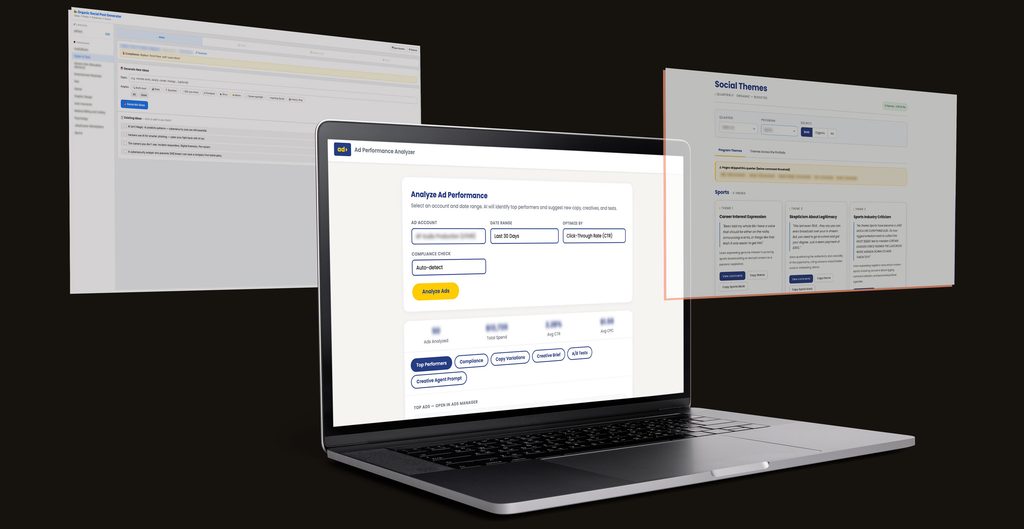
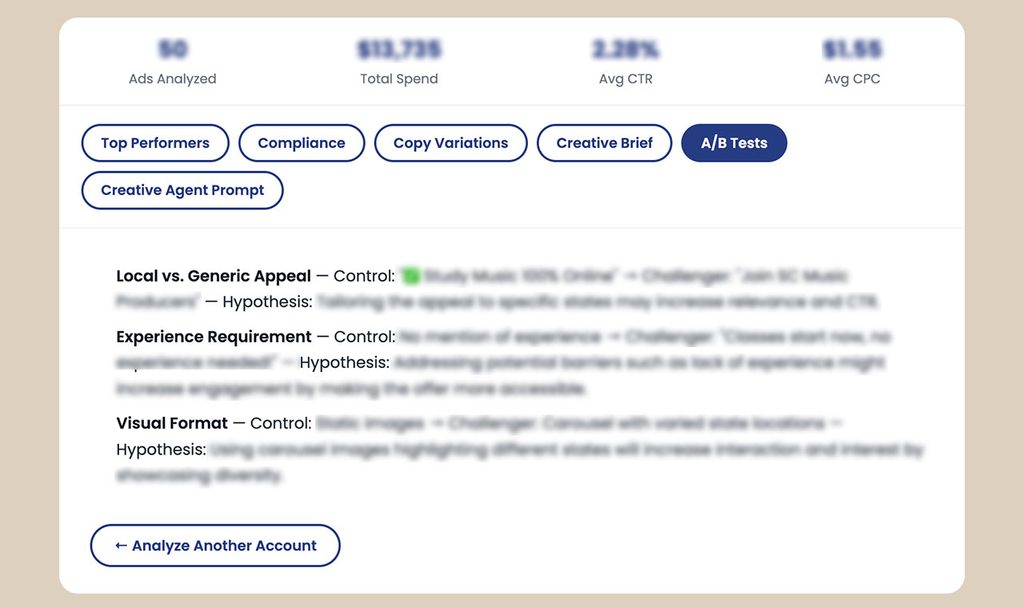
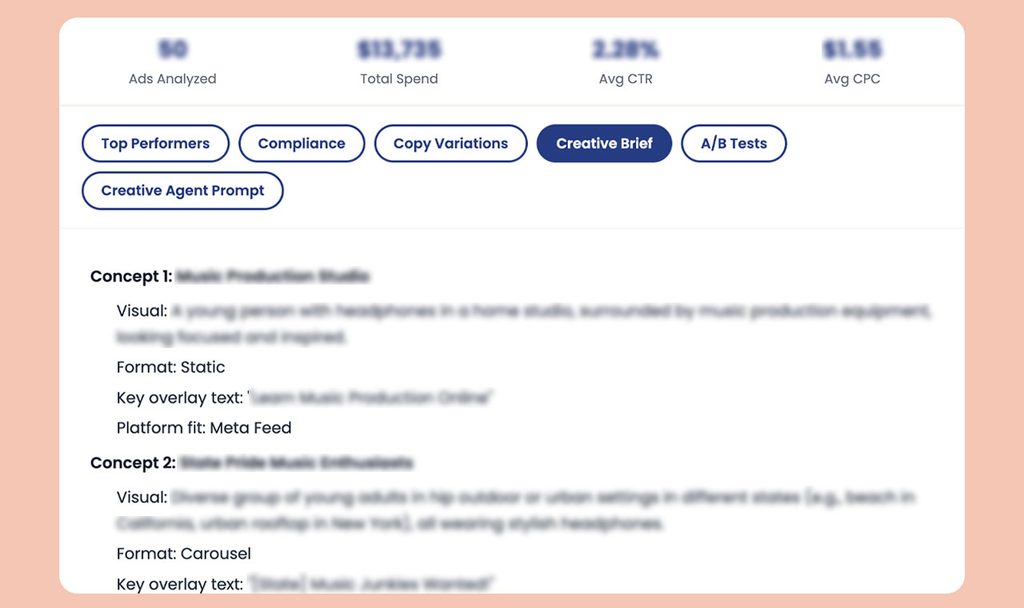
Built a dashboard that finds what’s winning in paid social and suggests the next round of tests.
The pieces
Self-serve design system
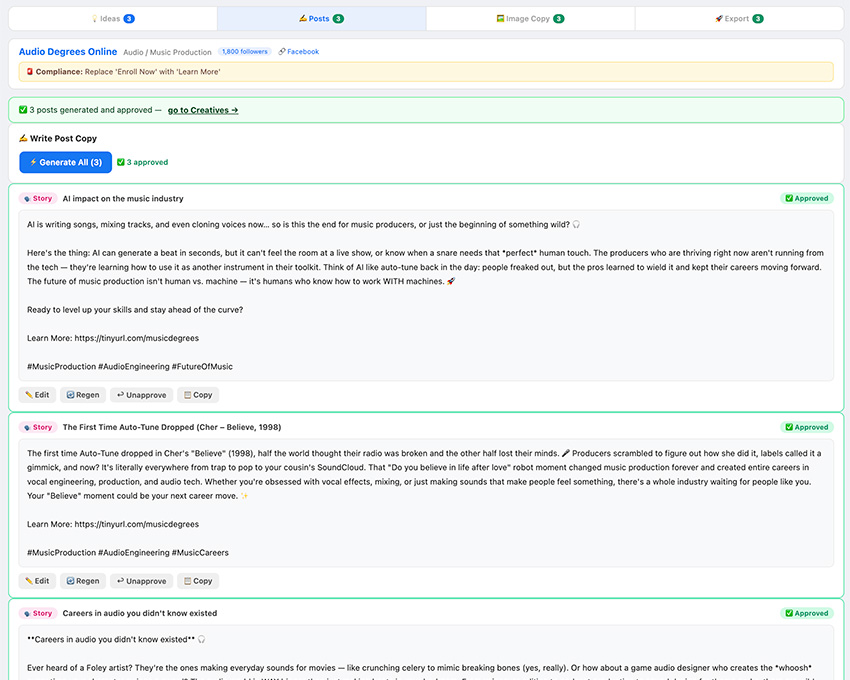
Canva templates, Claude-based design systems and automated generators that let non-designers across the company handle routine creative requests themselves. The brand and compliance rules live inside the tools, so the output stays on brand without a designer checking every piece. The design team got its time back for the big swings.
Organic content workflow
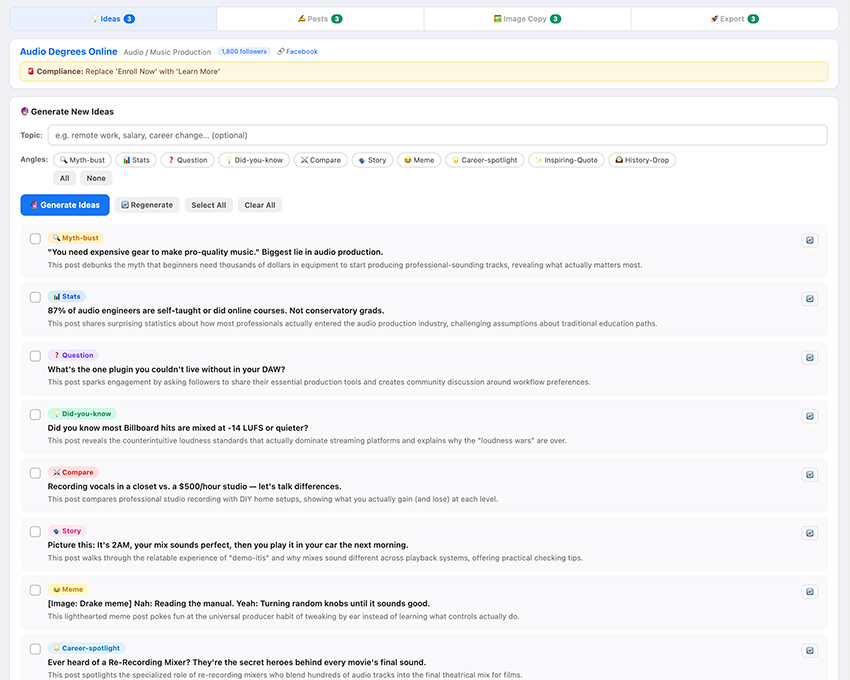
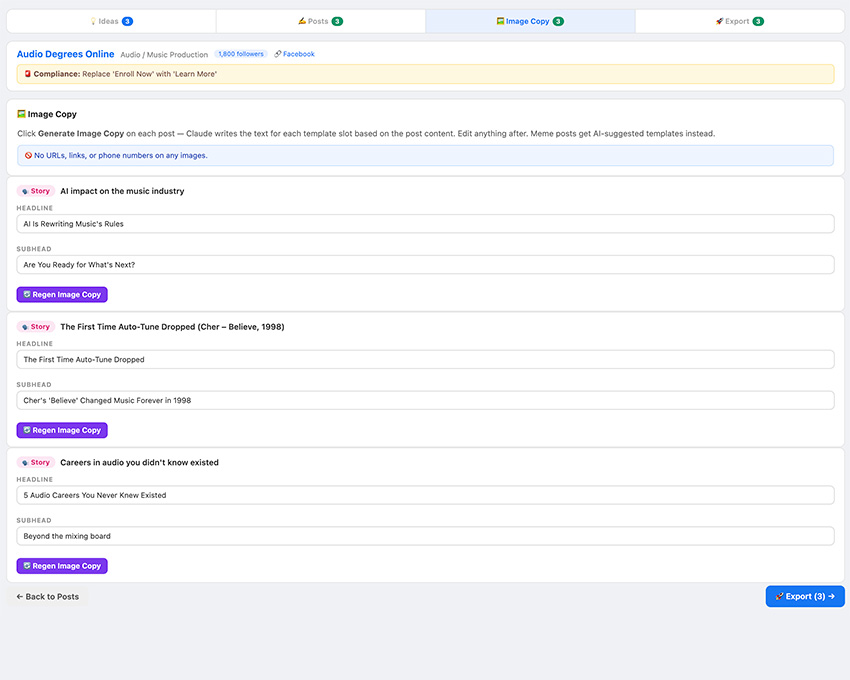
A post-ideation and drafting dashboard built with n8n, Claude and social platform APIs. Each brand page’s tone and content focus is configured into the system, so suggestions come out on-brand instead of generic. It scans competitor pages, a curated set of sites and trend sources like Reddit, then surfaces post concepts, helps draft copy and suggests image-prompt starting points. A comment-analysis layer reads what people are reacting to on posts and ads, so the team knows what’s landing before the next post goes out. The social media manager still writes the post and makes the call. The system just removes the blank page and the hour of scrolling that used to come first.
Paid social testing dashboard
Pulls campaign data for any date range, identifies which ads and creative themes are winning, and suggests the next round of creative, copy and targeting tests. It can optimize around whichever metric matters for the goal: CTR, CPC, total spend or ROAS. It also automated the reporting that used to eat into strategy time.
04The work
What it made possible.
05What changed
More work, lower cost, same bar.
Creative budget dropped 58% while output went up. Organic posts take at least 60% less time to write and concept, and engagement rose once content was shaped by comments and trends. New paid tests start from patterns that already work, which raised the team’s win rate and cut spend on cold concepts. Creative and media now share one fast view of performance and agree on what to test next.
The highlight
The point was never to let AI make the work. It was to get rid of the blank page and the busywork, so people spend their time on the calls only people can make.
NextMore case studies
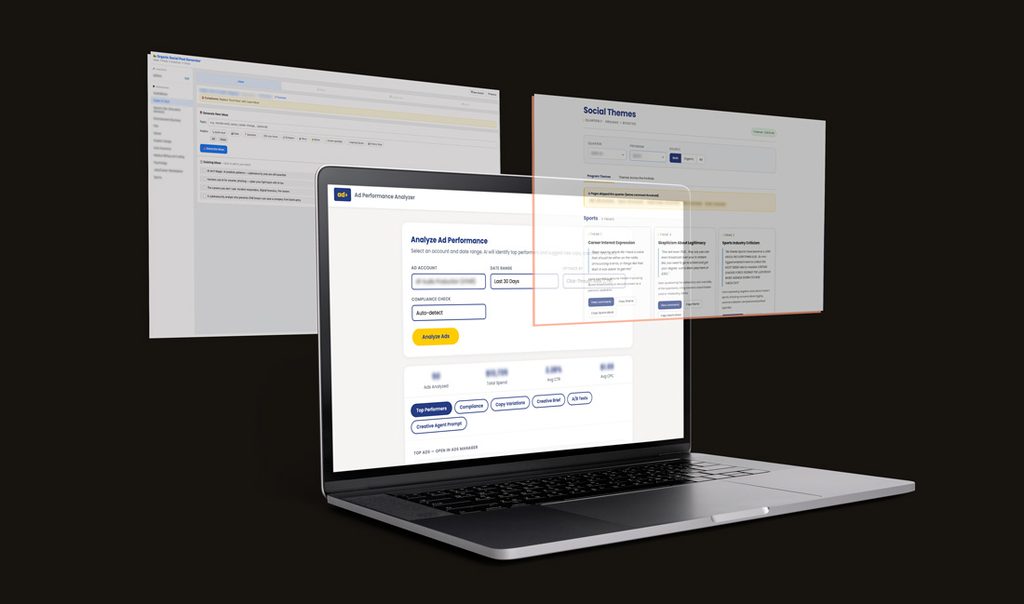
Rebuilding creative for scale
+20% ROAS · −40% turnaround →
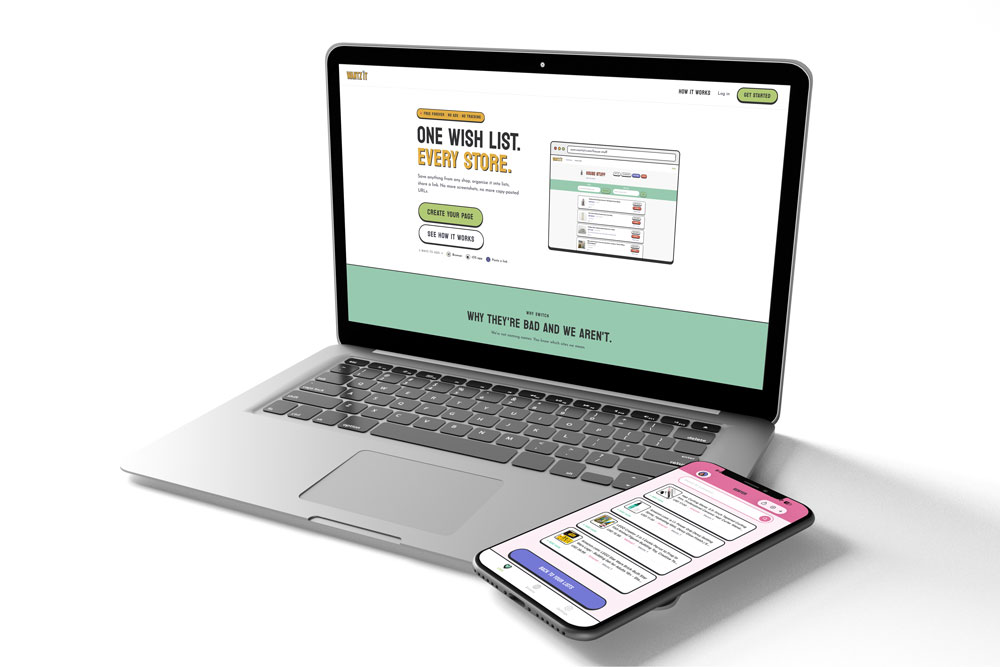
Wantzit, from zero
Co-founder · brand, UX and build →